- Men's wellbeing focus
- Solution-oriented support
- Trauma-aware care
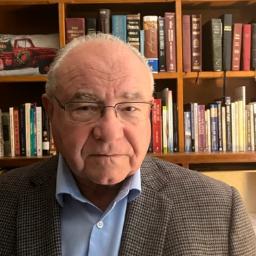
About Bruce
Rev. Bruce Carpenter is a Licensed Professional Counselor (LPC) who focuses on helping people navigate hard times and build healthier emotional lives. He draws on 11 years of counseling experience and a background in ministry to offer steady, practical support. He often works with men and others facing relationship strain, stress, anxiety, grief, and life changes.
He combines client-centered conversation with goal-focused techniques. Sessions aim to identify what feels stuck and to try workable steps forward. He uses cognitive behavioral ideas to challenge unhelpful thinking and solution-focused methods to set small, achievable goals.
His past work includes time at a Child Advocacy Center supporting children, teens, and non-offending adult caregivers, plus volunteer roles with emergency medical and veterans services. Those experiences shape an approach that values clear listening, dignity, and real-life problem solving.
He holds a Master of Divinity from Brite Divinity School at Texas Christian University and a Master of Education in Counseling from the University of North Texas, Dallas. He is an ordained minister and has experience as an Emergency Medical Technician and volunteer chaplain.
In sessions he listens first, then helps people test practical changes. That might mean shifting daily habits, practicing new ways to talk to a partner, or working through trauma memories in a paced way. People can expect straightforward guidance and steady follow-through.
To begin, prospective clients complete a short matching questionnaire and then schedule according to the therapist's availability.
How his approaches translate to online therapy
Client-Centered Therapy emphasizes listening and working from the client's view. The therapist focuses on understanding concerns and reflecting what matters most, which helps build trust and clarity even when meeting online. Cognitive Behavioral Therapy (CBT) targets patterns of thought and behavior. Online sessions can include simple homework, thought records, and step-by-step experiments to test new ways of thinking and acting. Trauma-Focused Therapy involves careful, paced work to process traumatic memories and reduce their hold on daily life; this is done gradually with attention to the client's safety and pacing.Choosing the right approach is a team effort. The therapist will talk with each person about their goals, symptoms, and preferences, then suggest methods to try. Sessions can shift over time if different strategies seem more helpful, and the therapist will check in regularly about progress and comfort with the work.
The original biography does not list specific online session formats, so confirm current options before booking. Many people find that remote work helps fit therapy into busy days, allows shorter check-ins when needed, and makes it easier to practice skills between sessions. Licensed professionals can adapt CBT worksheets, solution-focused tasks, and client-centered conversation to remote settings, keeping the focus on practical changes that fit everyday life.
Areas of expertise
Primary focus
Also works with
Additional focus areas
Therapeutic approaches
Experience
11+ years
Credentials
Texas
Languages
English
Frequently asked questions
What concerns does this therapist help with?
He addresses relationship trouble, trauma and abuse, grief, parenting strain, low self-esteem, stress, anxiety, family conflict, anger, career issues, depression, and coping with life changes.
What is the general style of therapy?
He blends client-centered listening with practical methods like cognitive behavioral and solution-focused work to set goals and change unhelpful patterns.
What kind of background does the therapist have?
He has 11 years of counseling experience, served in ministry, worked part-time at a Child Advocacy Center, and volunteered with emergency and veterans services.
What credentials and region are listed?
He is a Licensed Professional Counselor (LPC) practicing in Texas and holds degrees in divinity and counseling.
Which languages and international options are available?
Sessions are offered in English, and he does accept international clients.
What session formats are offered?
The original biography does not specify session formats; please confirm current session options before booking.
How does cost and subscription work?
Cost varies by location and therapist availability; sessions use a subscription model that can be canceled at any time.
How do I get started with therapy?
Select the Start Therapy button, complete a short matching questionnaire, and schedule a session based on the therapist's availability.