- Family systems focus
- Practical coping skills
- Listening-centered approach
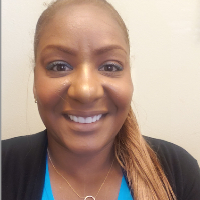
About Charlotte
Charlotte Watley is a Licensed Marriage and Family Therapist (LMFT) who helps people manage stress, anxiety, anger, grief, ADHD challenges, and intimacy or self-esteem concerns. She is experienced supporting parenting and family-related struggles, along with coaching for life transitions. Her practice highlights Men’s wellbeing among other focus areas noted in her profile.
Charlotte offers a listening-centered approach grounded in family systems thinking and depth work. Sessions focus on identifying patterns, improving communication, and building practical coping skills. She blends talking therapy with goal-oriented techniques so people leave with clearer next steps.
She draws on several therapeutic methods to match each person's needs. Cognitive Behavioral Therapy (CBT) and Dialectical Behavior Therapy (DBT) inform skill-building for emotion regulation and thought patterns. Client-Centered Therapy and Motivational Interviewing help people feel heard and move toward meaningful change.
Charlotte has practiced since 2010 and holds an NV LMFT credential, which indicates licensure in Nevada. Her experience includes work with issues such as attachment, blended family challenges, body image, codependency, commitment and communication problems, and fatherhood concerns.
In sessions she aims for a calm, direct style. People can expect clear explanations, collaborative goal setting, and practical tools to try between meetings. She asks new clients to use the Start Therapy button to complete a short matching questionnaire and schedule based on therapist availability.
How therapy approaches inform online work
Client-Centered Therapy focuses on listening and understanding the person's perspective so they feel heard. It helps when someone needs acceptance and a space to sort out their priorities. Cognitive Behavioral Therapy, or CBT, looks at thoughts and behaviors and teaches practical tools to change unhelpful patterns; it often helps with anxiety, stress, and low mood. Dialectical Behavior Therapy, DBT, teaches skills for managing intense emotions and improving relationships, which can be useful for anger, distress, and communication struggles.Finding the right approach is part of the process. The therapist will collaborate with each person to decide which methods fit best based on goals and preferences. Sessions can change over time as needs evolve, and choices are revisited together.
Confirm the exact online session formats before booking since the biography does not list specific formats. Many people find online options useful because they fit into work breaks, avoid travel time, and let them practice skills between meetings. Some formats also make it easier to have shorter check-ins or to choose audio over video when less bandwidth is needed. Discussing practical needs during the matching process helps ensure sessions fit into everyday life.
Areas of expertise
Primary focus
Also works with
Additional focus areas
Therapeutic approaches
Experience
10+ years
Credentials
Nevada
Languages
English
Frequently asked questions
What kinds of concerns does Charlotte address?
She works with stress, anxiety, anger, grief, ADHD, intimacy and self-esteem issues, plus family and parenting challenges and coaching for life changes.
How would you describe her therapy style?
Her style is listening-centered and direct, combining family systems thinking with practical skill-building and collaborative goal setting.
What is her clinical background?
Charlotte has been practicing since 2010 and has a decade of experience supporting a wide range of family and individual concerns.
What credential does she hold and where is she based?
She holds an NV LMFT credential and practices in Nevada.
Which languages are offered for sessions?
Sessions are offered in English.
Can international clients work with her?
International clients are not currently accepted.
How are costs and billing handled?
Cost varies with location and therapist availability; sessions use a subscription that can be canceled at any time.
What are the first steps to begin therapy?
Select the Start Therapy button, complete a short matching questionnaire, and schedule according to therapist availability.