- Men's wellbeing focus
- Practical coping skills
- Values-based work
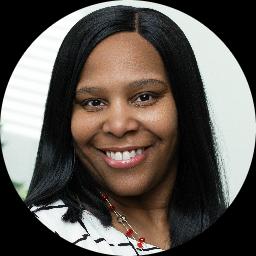
About Charlotte
Charlotte Windom is a Licensed Professional Counselor (LPC) who aims to help people manage stress, anxiety, anger, relationship struggles, depression, and life transitions. She presents a calm, straightforward presence and focuses on practical steps people can use between sessions. Her approach is respectful and centered on each person’s needs.
Windom draws on 16 years of counseling experience across schools, community mental health, university counseling, and private practice. She holds a Master of Science in Counseling Psychology and a Bachelor of Science in Human Services with a psychology minor from Troy University. Those academic foundations guide how she structures sessions and sets goals.
In session, she uses a mix of approaches that include Acceptance and Commitment Therapy, Cognitive Behavioral Therapy, Dialectical Behavior Therapy, Emotionally-Focused Therapy, and Client-Centered Therapy. That means sessions can include noticing unhelpful thoughts, building emotion regulation skills, clarifying personal values, and working through relationship patterns.
Her background includes program coordination for child and adolescent services and work with juvenile probation and child advocacy programs. She has provided individual counseling, group work, crisis support, in-home sessions, and couples counseling in previous roles. Those varied settings inform how she adapts strategies for different life situations.
People often come to her for help with family of origin issues, blended family concerns, fatherhood issues, caregiving stress, adoption and foster care matters, body image, chronic illness or pain, communication problems, guilt, shame, abandonment, and divorce and separation. She encourages straightforward conversation about what is most pressing and practical steps toward change.
Therapeutic approaches that translate to online work
Acceptance and Commitment Therapy (ACT) helps people clarify what matters to them and take small steps that align with those values. It often uses mindfulness and practical exercises to move past avoidance and toward meaningful action. Cognitive Behavioral Therapy (CBT) focuses on identifying unhelpful thoughts and testing them with real-life experiments to change patterns of feeling and behavior. It is useful for anxiety, depression, and stress management. Emotionally-Focused Therapy (EFT) centers on identifying emotional patterns in close relationships and practicing new ways of responding to deepen connection and reduce conflict.Choosing the right approach is part of the therapeutic work. The therapist will collaborate with each person to figure out which methods fit their goals and daily life. That includes checking in about how a method feels and making adjustments if something isn’t helpful.
Confirm the current session formats before booking, as specific online or phone options are not listed here. Online sessions can make it easier to schedule meetings around work, reduce travel time, and allow shorter check-ins when that suits a day. Many people find remote sessions help them keep momentum between busy commitments, while still allowing the therapist to teach skills, assign brief exercises, and review progress in regular appointments.
Areas of expertise
Primary focus
Additional focus areas
Therapeutic approaches
Experience
16+ years
Credentials
Alabama
Languages
English
Frequently asked questions
What concerns does Charlotte Windom address?
She helps people with stress, anxiety, depression, anger, relationship struggles, and coping with life changes. Additional areas include family of origin issues, caregiving stress, body image, chronic illness, adoption and foster care concerns, and divorce or separation.
What is her therapy style like?
Sessions are collaborative and practical. Expect techniques that focus on thoughts, emotions, values, and building daily coping skills.
How long has she practiced counseling?
She has 16 years of professional counseling experience across university counseling, community mental health, juvenile probation liaison work, and private practice.
What credentials and location are listed for this therapist?
She is a Licensed Professional Counselor (LPC) licensed in Alabama and practices with a background in both clinical and community settings.
Which languages are supported for sessions?
Sessions are offered in English.
Can people outside the United States work with her?
International clients are not currently accepted.
How are costs and session payments handled?
Costs vary by location and therapist availability. Sessions use a subscription model that can be canceled at any time.
What are the steps to begin working with her?
Click the Start Therapy button, complete a short matching questionnaire, and then schedule according to therapist availability.