- Men's wellbeing focus
- Creative therapeutic tools
- Trauma-informed care
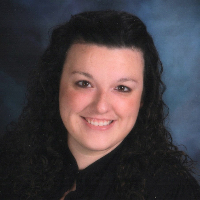
About Chelsea
Chelsea Sheedy is a licensed clinician who focuses on helping people find steadiness and meaning during hard times. She supports men and others navigating stress, anxiety, relationship strain, grief, addiction, parenting challenges, and life transitions. Chelsea welcomes clients who want practical skills and a creative, person-centered approach.
Chelsea combines clinical counseling with creative tools from her earlier work in music therapy. She uses a mix of approaches to match each person's needs. Some sessions may use music, art, writing, or time outdoors to make progress feel natural and manageable.
She has eight years of clinical experience and holds the LCMHC credential from Utah. That background includes work with trauma, domestic violence, mood and anxiety disorders, bipolar conditions, and co-occurring substance concerns. Chelsea also supports people facing attachment wounds, abandonment, identity and intimacy questions, and parenting or family-of-origin issues.
Chelsea often uses approaches rooted in acceptance, mindfulness, attachment work, and skills-based practice to help people cope and rebuild. She also incorporates EMDR when appropriate and when a client and therapist decide it fits the goals. Sessions aim to increase day-to-day coping and to help people notice and use their strengths.
She works with LGBTQ+ people and those exploring gender dysphoria, fertility challenges, and life purpose. To begin, readers should use the site's Start Therapy button and follow the short matching questionnaire to schedule a first appointment.
How Chelsea's Approaches Work Online
Acceptance and Commitment Therapy (ACT) focuses on noticing thoughts and choosing actions that match your values. It helps with anxiety, low mood, and feeling stuck by teaching practical steps to move toward what matters. Attachment-Based Therapy looks at how early relationships shape current patterns. It helps people understand connection, repair trust, and change how they relate in close relationships. Dialectical Behavior Therapy (DBT) emphasizes skills for emotion regulation, distress tolerance, and clearer communication. It is useful when strong emotions or relationship conflict get in the way of daily life.Finding the right mix of approaches is part of the work. The therapist will talk with the client about goals and preferences and then try methods that fit. This is a collaborative process and adjustments are made over time based on what helps most.
Practical benefits of online therapy include easier scheduling and fitting sessions into a busy life. Online work can make it simpler to continue steady care during moves or travel and can reduce commute time. The biography does not list specific session formats, so confirm the current options before booking. Sessions aim to teach skills, process difficult memories when appropriate, and use creative tools like music or writing when they support progress.
Areas of expertise
Primary focus
Also works with
Additional focus areas
Therapeutic approaches
Experience
8+ years
Credentials
Utah
Languages
English
Frequently asked questions
What problems does Chelsea help with?
Chelsea works with stress, anxiety, depression, trauma and abuse, addictions, intimacy issues, and parenting concerns. She also supports people dealing with grief, career changes, ADHD, and relationship problems.
What is Chelsea's general approach in sessions?
She uses a multimodal, client-centered approach that blends acceptance and mindfulness with skills-based work. Sessions may include creative methods like music, art, or writing alongside talk therapy.
How long has Chelsea been practicing clinically?
Chelsea has eight years of experience in clinical work following earlier training and practice in music therapy. That combination shapes her creative, flexible style.
What credentials and location are listed?
She holds the LCMHC credential in Utah and practices with that designation in the state.
Are sessions offered in other languages or internationally?
Sessions are offered in English and Chelsea accepts international clients.
Which session formats are available?
The therapist biography does not list specific session formats. Please confirm current online and in-person options before booking.
How are fees and payment handled?
Cost varies with location and therapist availability; sessions use a subscription that can be canceled at any time. Exact fees depend on the match and chosen plan.
What is the first step to begin therapy?
Use the Start Therapy button, complete the short matching questionnaire, and schedule according to therapist availability. That process connects you and helps set up an initial appointment.