- Collaborative style
- Mindfulness and skills
- LGBT-affirming care
About Christopher
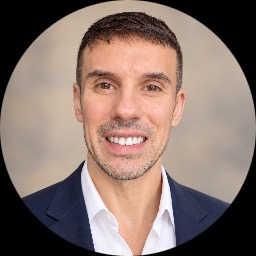
Christopher McCarthy is a Licensed Clinical Social Worker with ten years of practice. He creates a calm, accepting space where people can talk about what feels hard and figure out practical next steps. He emphasizes a collaborative pace so clients set the rhythm for change.
He holds a master’s degree in Clinical Psychology from The New School and a master’s degree in Clinical Social Work from Fordham University. Christopher draws on cognitive behavioral ideas alongside acceptance and commitment approaches to shape the work. He also uses elements from dialectical behavior strategies and emotionally focused methods when they fit a person’s goals.
Sessions tend to focus on clear, usable skills and on understanding what matters to the person. He brings mindfulness exercises and practical tools to help with stress, anxiety, sleep, and mood shifts. He also supports people dealing with trauma, identity questions, and relationship or intimacy concerns.
Christopher has specific experience helping those exploring LGBT issues, coping with life changes, and managing attention differences such as ADHD. He often addresses eating and body-image questions, shame and guilt, and career or self-esteem struggles. He works with people around anger, bipolar symptoms, and other mood-related concerns.
Clients can expect a warm, conversational style with room for humor and direct feedback. The focus is on what will move the person forward, whether that means short-term coaching or longer therapeutic work. International clients may be supported; confirm details when scheduling.
How selected approaches translate to online work
Acceptance and Commitment Therapy (ACT) encourages noticing thoughts and values-driven action rather than getting stuck in unhelpful thinking. It can help with anxiety, stress, and decisions about meaningful life changes. Cognitive Behavioral Therapy (CBT) focuses on identifying unhelpful thought patterns and testing small behavior changes to reduce symptoms like anxiety and low mood. It is often used for sleep problems, worry, and mood management. Dialectical Behavior Therapy (DBT) offers skills for handling strong emotions, improving distress tolerance, and strengthening relationships; it can be useful for intense anger, mood swings, or trouble managing impulses.Figuring out which approach fits is part of the work. The therapist will collaborate with each person to match methods to their goals and preferences. That may mean combining mindfulness exercises, behavioral experiments, and emotion-focused conversation to create a personalized plan.
The biography indicates he offers teletherapy, which can make scheduling easier and help sessions fit into a busy life. Before booking, confirm the specific session options the therapist currently provides. Online sessions can make check-ins shorter on busy days, reduce travel time, and let people engage from a convenient location. Licensed professionals can adapt ACT, CBT, and DBT techniques to an online format so clients can practice skills between sessions and bring real-life situations into therapy.
Areas of expertise
Primary focus
Also works with
Additional focus areas
Therapeutic approaches
Experience
10+ years
Credentials
New York, New Jersey, Connecticut, California, Nevada
Languages
English
Frequently asked questions
What concerns does Christopher commonly address?
He helps with stress, anxiety, depression, trauma and abuse, and issues around intimacy and relationships. Other areas include ADHD, sleep and eating concerns, self-esteem, and career stress.
How would you describe his therapeutic style?
His style is warm, collaborative, and conversational with room for humor. He uses practical skills and mindfulness alongside talking to help people make changes.
What training and experience does he have?
He has ten years of clinical experience and holds two master’s degrees: one in Clinical Psychology and one in Clinical Social Work.
Where is he based and what credentials does he hold?
He practices from New Jersey and is a Licensed Clinical Social Worker, holding NY LCSW and NJ LCSW credentials.
Which languages are supported in sessions?
Sessions are offered in English, and he also accepts international clients.
What session formats are available?
The original biography mentions teletherapy. Confirm the full range of current session options before booking to match your needs.
How does payment and cost work?
Cost varies with location and therapist arrangements; sessions use a subscription model that can be canceled at any time.
How do I begin working with him?
Select the Start Therapy button, complete a short matching questionnaire, and schedule according to the therapist’s availability.