- Values-informed care
- Practical coping skills
- English and Japanese
About Edward
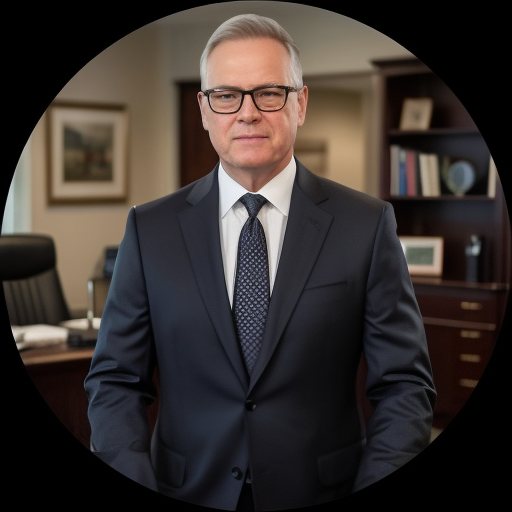
Dr. Edward Varner is a licensed counselor with over 30 years of experience who focuses on men's wellbeing and related life challenges. He works with people who are facing depression, relationship stress, trauma recovery, mood concerns, and efforts to build healthier routines and self-worth. Sessions are offered in English and Japanese and his practice is based in Tennessee.
Dr. Varner brings a values-informed, client-centered approach to therapy. He combines practical tools with reflective conversation to help people clarify goals and try new ways of coping. Common topics include stress, anxiety, grief, intimacy-related issues, body image, and challenges connected to ADHD and addiction.
His work often addresses attachment issues, family of origin concerns, and communication problems. He also supports people dealing with trauma, dissociation, and recovery from domestic violence or sexual assault. For those exploring alternative sexual cultures and kink, he offers nonjudgmental discussion aimed at safer, healthier choices.
Dr. Varner uses several evidence-informed methods such as Acceptance and Commitment Therapy, Cognitive Behavioral Therapy, and Dialectical Behavior Therapy along with attachment-focused and client-centered practices. These approaches guide how he helps people manage emotions, change patterns, and build new skills.
People who reach out can expect straightforward conversation, goal setting, and practical strategies tailored to everyday life. To begin, follow the site process to match and schedule and be ready to describe your main concern and what you hope to change.
How his approaches inform online work
Acceptance and Commitment Therapy helps people notice thoughts and feelings without getting stuck in them and then commit to values-based actions. It is often used for anxiety, depression, and motivation challenges. Cognitive Behavioral Therapy focuses on the links between thoughts, feelings, and behaviors and teaches practical exercises to change unhelpful patterns. It is commonly used for mood, stress, and some trauma-related symptoms. Attachment-Based Therapy looks at how early relationship patterns affect current relationships and communication, and it is helpful for intimacy issues and family-of-origin concerns.Finding the right approach is a collaborative process. The therapist will listen to your goals and preferences and then suggest which methods to try first. You and the therapist can adjust the plan as you learn what helps and what does not.
The biography does not list specific online session formats, so confirm available options before booking. In general, online therapy can make it easier to fit sessions into a busy week, reduce travel time, and allow for shorter check-ins when needed. It can also let people work with a therapist who speaks English or Japanese even if they live far from Tennessee. Discuss timing and session length during the matching and scheduling steps to find a routine that works with daily life.
Areas of expertise
Primary focus
Also works with
Additional focus areas
Therapeutic approaches
Experience
30+ years
Credentials
Tennessee
Languages
English, Japanese
Frequently asked questions
What kinds of concerns does he address?
He helps people with depression, anxiety, relationship and intimacy-related issues, stress, grief, and mood disorders like bipolar. He also works with concerns such as body image, addiction, ADHD, and trauma recovery.
What is his general therapy style?
His style is client-centered and values-informed, blending practical skill teaching with reflective conversation. He focuses on clear goals and everyday strategies clients can use between sessions.
How long has he been practicing?
He has 30 years of experience working in counseling and psychotherapy settings.
What credentials and region are listed?
He is listed as LPC-MHSP and practices in Tennessee.
Which languages are supported?
Sessions are offered in English and Japanese, and he accepts clients from outside the United States.
What session formats are available?
The biography does not specify session formats. Please confirm current session options before booking.
How are fees handled?
Costs vary with location and therapist availability; sessions use a subscription that can be canceled at any time.
How do I begin working together?
Use the Start Therapy button, complete a short matching questionnaire, and then schedule according to the therapist's availability.