- Trauma recovery
- Substance use support
- Goal focused care
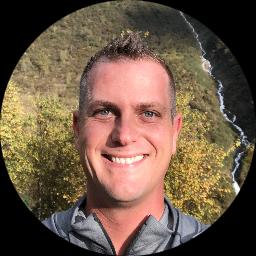
About Luke
Luke Barrett is a Licensed Clinical Social Worker (LCSW) based in California. He brings five years of clinical practice and a background in emergency medical services and hospital emergency departments. Luke is also a United States Coast Guard veteran and aims to make therapy practical and goal-focused for those he sees.
He helps people recover from traumatic life experiences and from substance use concerns. He uses short-term realistic goals and harm reduction to lower immediate risks and improve day-to-day functioning. Luke also draws on positive psychology and solution-focused techniques to help people notice strengths and make concrete changes.
Luke holds a bachelor’s degree in psychology, a master’s degree in social work, and a master’s degree in public administration with an emphasis on health care. That mix of training and emergency-room experience informs his straightforward, pragmatic style. He keeps discussions focused on what will make life better now.
Clients often bring concerns like stress, anxiety, grief, depression, and post-traumatic stress. He also supports people facing chronic pain or illness, caregiver strain, workplace pressures, money and financial worries, and questions about life purpose. Men’s issues are listed among his focus areas and are addressed as part of broader wellbeing work.
Luke aims to set realistic steps people can try between sessions. He favors measurable small wins and ongoing adjustment of the plan so progress stays practical and achievable.
How Luke Uses Practical, Evidence-Based Techniques Online
Luke emphasizes evidence-based techniques that focus on clear steps and measurable gains. One approach he uses is solution-focused work, which centers on identifying small, achievable changes and building on what already helps. This method is useful for addressing day-to-day stress, workplace concerns, and immediate goals.He also applies harm reduction principles when working with substance use, which focus on reducing risk and improving safety rather than insisting on complete cessation right away. That approach can make progress feel more manageable for people struggling with addiction. In addition, elements of positive psychology are used to help people notice strengths and build routines that boost wellbeing after trauma or during recovery.
Choosing the right approach is a collaborative process. The therapist will work with each person to see which techniques fit their needs, goals, and preferences, and adjust the plan as progress is made. This conversation is ongoing, not a one-time decision.
If you are considering online therapy, confirm the session formats available before booking since the profile does not list specific options. Many people find online sessions make it easier to fit therapy into a busy life, reduce travel time, and allow shorter check-ins when schedules are tight. Discussing format and frequency at the start helps match therapy to real-world routines and keeps work focused on practical change.
Areas of expertise
Additional focus areas
Experience
5+ years
Credentials
California
Languages
English
Frequently asked questions
What concerns does Luke commonly address?
He works with stress, anxiety, addictions, trauma and abuse, grief, and depression. He also focuses on caregiver stress, chronic pain and illness, money worries, workplace issues, and life purpose.
What is his therapy style like?
Sessions are practical and goal-focused with short-term realistic objectives. He uses harm reduction and solution-focused ideas to help make concrete changes.
What relevant background does he bring?
Luke began clinical practice in 2019 and has five years of experience. His prior work in emergency medical services and hospital emergency departments shapes a direct, results-oriented approach.
What credentials and region should I know about?
He is a Licensed Clinical Social Worker (LCSW) practicing in California. The profile lists the credential exactly as LCSW and the location as California.
Which languages are supported for sessions?
Sessions are offered in English.
Can people outside the U.S. work with him?
He is not currently accepting international clients.
How are fees handled?
Cost varies with location and therapist availability, and sessions use a subscription that can be canceled at any time.
What steps should I take to begin therapy?
Click the Start Therapy button, complete a short matching questionnaire, and schedule according to the therapist's availability.