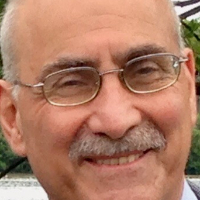
- Warm supportive style
- 40 years experience
- Missouri based LCSW
About Michael
Michael Ruberton is a Licensed Clinical Social Worker (LCSW) with four decades of practice. He focuses on helping men and others manage stress, anxiety, mood concerns, and problems tied to trauma or substance use. His approach centers on building a steady working relationship and following each person's lead.
He brings experience from office, home-based, and institutional settings. That background includes work with people affected by trauma and abuse, as well as those who have engaged in harmful behavior. He has also worked with mood disorders, bipolar concerns, and grief-related issues.
In sessions he aims to be warm and supportive. He prefers to let the client set goals while offering practical options. That can mean talking through skills to manage anxiety, steps to change unhelpful patterns, or planning for safer choices after trauma.
Michael uses several talk-therapy approaches in ways that fit the person in front of him. He draws on client-centered methods to stay focused on the client's priorities, and uses cognitive behavioral tools to address thoughts and behaviors that get in the way. Motivational interviewing helps when someone is weighing change.
He also brings elements of existential and solution-focused work to help people clarify what matters and build manageable next steps. With four decades of practice in Missouri, he aims to help people find clearer direction and steadier coping strategies.
How therapy approaches translate to online care
Client-Centered Therapy places the client's priorities at the center. It focuses on listening, reflecting what matters, and helping people choose their own goals. This approach can help people who want space to sort their thoughts and set the pace for change.Cognitive Behavioral Therapy, or CBT, looks at the connections between thoughts, feelings, and actions. It uses practical exercises and small experiments to change patterns that cause distress, which is useful for anxiety, depression, and mood problems.
Finding the right approach is part of the work. The therapist will talk with each person about goals, preferences, and what feels most useful. Together they decide whether to emphasize supportive listening, skill practice, or motivational strategies for change.
Confirm available session formats before booking because the biography does not list specific options. Online therapy can make it easier to fit sessions into a busy life, reduce travel time, and allow shorter check-ins when schedules are tight. It also lets people use approaches like CBT worksheets or motivational conversations without changing their daily routine.
Areas of expertise
Primary focus
Also works with
Additional focus areas
Therapeutic approaches
Experience
40+ years
Credentials
Missouri
Languages
English
Frequently asked questions
What concerns does he commonly address?
He works with stress, anxiety, trauma and abuse, anger, self-esteem, addictions, relationship and family issues, grief, intimacy questions, bipolar disorder, depression, ADHD, and related mood concerns.
What is his therapeutic style like?
He uses a warm, supportive style and lets clients lead the pace and goals of sessions. He pairs that with practical methods to address thoughts and behaviors when helpful.
How much experience does he have?
He has 40 years of clinical experience working in individual, family, and group settings across office, home-based, and institutional environments.
What credentials and region are listed?
He is a Licensed Clinical Social Worker, LCSW, practicing in Missouri.
Which languages are supported and can international clients be seen?
Sessions are offered in English. He is not currently accepting international clients.
What session formats are offered?
The biography does not list specific session formats. Confirm current session options before booking to know which formats are offered.
How does pricing work?
Cost varies with location and therapist availability; sessions use a subscription that can be canceled at any time.
How do I start a first appointment?
Use the Start Therapy button and complete a short matching questionnaire, then schedule according to the therapist's availability.