- Practical coping skills
- Culturally aware care
- Evidence-informed methods
About Peter
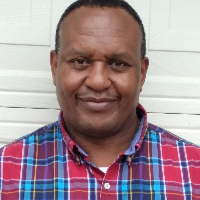
Peter Mburu is a Licensed Professional Counselor (LPC) based in Texas who focuses on men's wellbeing among a range of concerns. He supports people facing stress, anxiety, depression, addiction, trauma, and relationship strain. He also works with those dealing with sleep problems, grief, anger, low self-esteem, and major life changes.
He emphasizes practical coping skills and straightforward steps people can use day to day. Sessions are conversational and goal oriented, with tools drawn from evidence-informed approaches. He aims to help clients build skills they can apply outside the therapy room.
Mburu has seven years of counseling experience and has worked in multiple states. He has worked with adults experiencing mental health challenges and with young adults having first-time psychosis. He also has experience supporting people with chemical dependence and those facing immigration or multicultural issues.
His background includes seminary training and work with international students and refugees. That experience informs a respectful, culturally aware approach to therapy. He partners with clients to set realistic goals and track progress.
He uses approaches such as Cognitive Behavioral Therapy, Dialectical Behavior Therapy, Acceptance and Commitment Therapy, Motivational Interviewing, and Solution-Focused Therapy. The focus is on clear, practical strategies that match each person's needs and pace.
How his approaches shape online therapy
Acceptance and Commitment Therapy (ACT) focuses on helping people notice their thoughts and values, then take steps that match what matters to them. It can help with anxiety, depression, and major life transitions by clarifying what someone wants to build toward. Cognitive Behavioral Therapy (CBT) looks at the links between thoughts, feelings, and actions and uses practical exercises to change unhelpful patterns. It often helps with anxiety, mood issues, panic, and sleep problems. Dialectical Behavior Therapy (DBT) teaches emotion regulation, distress tolerance, and interpersonal skills for people who struggle with intense emotions or relationship conflicts.Finding the right approach is part of the work. The therapist will talk with each person about their goals, preferences, and what has or hasn’t worked before. Together they decide which methods to try and adjust the plan as progress is made.
Confirm current session options before booking to know which online formats are available. Online therapy can make attending sessions easier to fit into a busy day, reduce travel time, and allow shorter check-ins when that suits a schedule. It can also make it simpler to keep therapy going during life changes, while the therapist and client focus on practical skills and real-world problem solving.
Areas of expertise
Primary focus
Also works with
Additional focus areas
Therapeutic approaches
Experience
7+ years
Credentials
Texas
Languages
English, Kikuyu, Swahili
Frequently asked questions
What concerns does he help with?
He supports people with stress, anxiety, depression, addictions, trauma, relationship problems, sleep issues, grief, anger, self-esteem, career stress, and other life changes.
What is his therapy style like?
His style is conversational and goal oriented. He focuses on practical skills that clients can use between sessions.
What experience does he bring?
He has seven years of counseling experience and has worked with adults, young adults with first-time psychosis, and people with chemical dependence.
What are his credentials and location?
He is a Licensed Professional Counselor (LPC) practicing in Texas.
Which languages are available for sessions?
Sessions are offered in English, Kikuyu, and Swahili.
Can he work with international clients?
Yes, he accepts international clients.
How are fees and payment handled?
Cost varies by location and therapist availability; sessions use a subscription that can be canceled at any time.
How do I begin therapy with him?
Click the Start Therapy button, complete a short matching questionnaire, and schedule according to therapist availability.