- Client-centered support
- Practical coping tools
- Focus on relationships
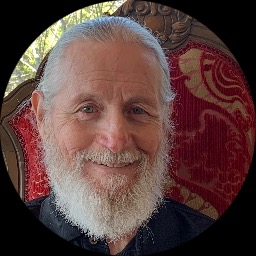
About Thomas
Thomas Schenck is a Licensed Professional Counselor (LPC) practicing in Texas. He brings 30 years of experience to his work and focuses on helping men with stress, anxiety, addictions, relationship strain, grief, and intimacy-related concerns. He emphasizes a respectful, person-centered approach and sees clients as the experts on their own lives.
He begins by listening to what matters most to each person. He looks for existing strengths and practical ways to move forward. Sessions aim to make small changes that add up, whether the goal is better sleep, clearer boundaries, or improved self-esteem.
Thomas uses several therapeutic approaches, including client-centered methods and cognitive behavioral techniques, to match how someone prefers to work. He also draws on existential ideas to help people find meaning and direction, and he integrates relational tools when talking about closeness and communication.
People often come for help with work stress, career transitions, ADHD, coping with loss, and substance concerns. He also supports men navigating family-of-origin issues, fatherhood questions, chronic illness, and first responder stress. Conversations are straightforward and focused on practical next steps.
To get started, Thomas asks people to complete a short questionnaire and schedule a session. He works with English-speaking clients in Texas and does not take international cases. Sessions use a subscription model that can be canceled at any time.
Approaches that translate well to online work
Client-Centered Therapy focuses on listening, empathy, and following the client's lead to build confidence and insight. It helps people who want a supportive space to talk through decisions, grief, and relationship questions.Cognitive Behavioral Therapy (CBT) looks at how thoughts, feelings, and behaviors connect and teaches practical techniques for changing patterns that cause distress. CBT is useful for anxiety, stress, sleep problems, and managing addictive behaviors.
Existential Therapy helps people consider meaning, values, and life direction when facing major changes or loss. It can be helpful for people wrestling with purpose, aging issues, or big transitions.
Finding the right approach is part of the work together. The therapist will talk about goals, preferences, and what feels useful, then adapt methods to fit each person's needs. This is a collaborative process rather than a one-size-fits-all plan.
Confirm the current session options before booking, as formats are not listed here. Online work can make scheduling easier and help therapy fit into busy lives. It can reduce travel time, allow for shorter check-ins during a break, or make it simpler to attend when work or caregiving demands are high. Licensed professionals can use these benefits to focus on goal-oriented work and practical skills that translate into daily life.
Areas of expertise
Primary focus
Also works with
Additional focus areas
Therapeutic approaches
Experience
30+ years
Credentials
Texas
Languages
English
Frequently asked questions
What concerns does Thomas commonly address?
He helps with stress, anxiety, addictions, grief, intimacy concerns, relationship problems, and related issues such as sleep, eating, and anger.
What is his general therapeutic style?
He uses a person-centered, straightforward style that highlights strengths. He blends practical cognitive behavioral techniques with exploring meaning and relationship skills.
How long has he been practicing?
He has three decades of professional experience in counseling and related work.
What credential does he hold and where does he practice?
He is an LPC - Licensed Professional Counselor - and he practices in Texas.
Which languages are supported for sessions?
Sessions are offered in English.
Can people from other countries work with him?
International clients are not currently accepted; he works with clients located in Texas.
How are sessions scheduled and paid for?
Sessions use a subscription that can be canceled at any time and vary with location and therapist availability.
What are the first steps to begin therapy?
Select the Start Therapy button, complete a short matching questionnaire, and then schedule a session based on availability.